
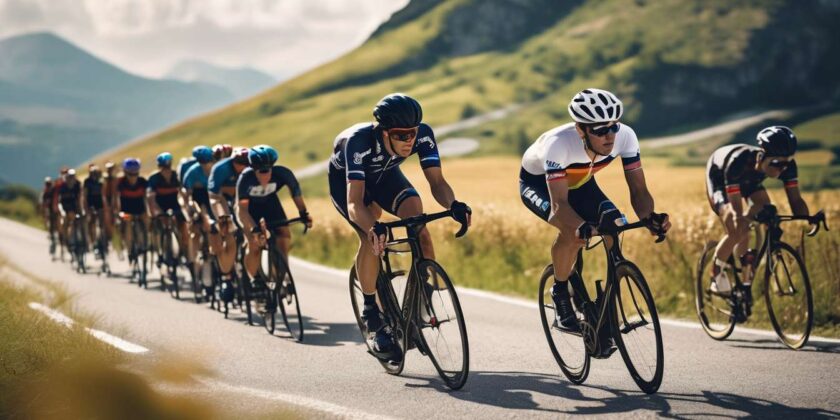
As cycling enthusiasts, we find ourselves captivated by the thrilling world of professional races, where every pedal stroke and strategic move can alter the course of history. In this article, we embark on an analytical journey to explore the contrasts and nuances between One-Day Classics and Grand Tours, two of the most prestigious formats in the cycling universe.
Both formats offer their own unique challenges, excitement, and allure, yet they demand different skills, strategies, and physical endurance from the riders.
One-Day Classics:
- Feature a frenetic pace and intense competition.
- Victory is decided in a single, high-stakes showdown.
- Require explosive power and strategic acumen in a condensed timeframe.
Grand Tours:
- Test endurance and tactical depth over multiple weeks.
- Include stages that vary in length and difficulty, demanding versatility from riders.
- Challenge the limits of human resilience through a combination of time trials, mountain stages, and flat sprints.
By examining these two distinct racing formats, we aim to better appreciate their roles in shaping the legends of the sport. Each format contributes to the rich tapestry of cycling history, creating heroes and unforgettable moments along the way.
Race Dynamics
Race dynamics in cycling are a fascinating blend of strategy, teamwork, and individual prowess. We find ourselves captivated by the intricate dance of rider skills and terrain variety that shapes each race.
Teamwork is the backbone of any cycling event. Every team member plays a crucial role in orchestrating a successful outcome.
- Protecting the lead rider from wind
- Setting the pace on challenging climbs
As we explore the race dynamics, we notice that rider skills are pivotal in navigating the diverse terrain. Each cyclist must adapt quickly to changes, whether it’s a steep ascent, a technical descent, or unpredictable weather.
The terrain variety keeps us on the edge of our seats, as different sections of a race demand different strengths.
In cycling, it’s not just about who crosses the finish line first; it’s about the collective experience of strategizing, supporting, and excelling together. We celebrate the unity and shared passion that cycling brings into our lives.
Winner Determination
Determining the winner in cycling involves a complex interplay of strategy, endurance, and split-second decisions. It’s not just about who can pedal the fastest. In the ever-evolving race dynamics, a rider’s ability to read the competition and adapt to rapidly changing conditions is crucial.
Key skills required include:
- Tactical acumen
- Bike handling
These skills are indispensable, especially when the terrain variety includes everything from flat sprints to grueling climbs.
Different race types demand different strategies:
-
One-day classics:
- A single powerful move can seal victory.
- Requires sharp instincts and precise execution.
-
Grand tours:
- Requires long-term thinking and balancing energy over weeks and stages.
- A team’s collective strength often dictates success, making collaboration essential.
We all share admiration for these athletes, who seamlessly integrate strategy with skill. As we watch them conquer varied landscapes, we feel a part of each triumph and setback, connected by our shared passion for the sport.
Physical Demands
The physical demands in cycling are immense, pushing athletes to their limits as they tackle diverse and challenging terrains. We marvel at how cyclists adapt to the race dynamics of One-Day Classics versus Grand Tours.
In One-Day Classics:
- The intensity is immediate, requiring explosive power.
- Exceptional rider skills are necessary to navigate cobblestones, sharp climbs, and unpredictable weather.
- These races test the ability to endure intense bursts, demanding strategic energy use and tactical acumen.
In contrast, Grand Tours require:
- Endurance
- Consistency
- Adaptation to ever-changing terrain variety
In these races, cyclists conquer mountain passes, sprint stages, and time trials, all demanding different physical and mental strengths. Grand Tours are a testament to resilience, where riders must conserve energy while still reacting to race dynamics.
Together, we recognize that both race types require a profound understanding of terrain and rider skills, uniting us in admiration of these extraordinary athletes.
Duration and Structure
When we compare the duration and structure of One-Day Classics to Grand Tours, it’s clear that each demands a unique approach and strategy.
One-Day Classics are intense, single-day events where race dynamics are immediate and decisive. We experience a rollercoaster of emotions as riders tackle varied terrains, each section testing their skills and fortitude. The race is a battlefield where every moment counts, and the thrill lies in its unpredictability.
In contrast, Grand Tours unfold over three weeks, offering a journey that requires endurance and adaptability. The structure allows for shifting race dynamics, with stages that vary from flat sprints to grueling mountain climbs. We see how rider skills evolve, as they must:
- Pace themselves
- Recover swiftly
- Adapt to terrain variety over the long haul
This extended duration creates a narrative arc, fostering a sense of community among fans and participants. Together, we witness how each race format crafts its own unique cycling story.
Rider Skills and Strategies
To master both One-Day Classics and Grand Tours, we must focus on honing specific skills and adopting tailored strategies for each race format.
One-Day Classics:
- Race dynamics demand explosive power.
- Ability to navigate challenging terrain quickly is crucial.
- Sharpen sprinting prowess.
- Enhance technical handling skills.
Grand Tours:
- Test endurance and versatility over extended periods.
- Develop efficient energy conservation strategies.
- Adaptability to diverse terrains is necessary.
- Climbing expertise is crucial.
- Ability to recover swiftly for successive stages is essential.
By embracing these distinct approaches, we strengthen our sense of belonging within the cycling community, where each rider plays a unique role.
We ride together, sharing our experiences and learning from one another. This camaraderie helps us face the ever-changing race dynamics, ensuring we’re prepared for any challenge, whether it’s conquering a single-day epic or enduring a multi-week odyssey.
Tactical Challenges
Navigating the tactical challenges of One-Day Classics and Grand Tours requires us to anticipate our competitors’ moves and adapt our strategies in real-time.
Within the race dynamics of both formats, we must remain vigilant and responsive.
One-Day Classics
- Intense pace and shorter duration demand quick decision-making and seamless coordination.
- Rider skills are crucial as we maneuver through unpredictable terrain and varying weather conditions.
- These races test our ability to execute precise attacks and defend against sudden counter-moves.
Grand Tours
- Unfold over several days, with patience and endurance as our allies.
- Require strategizing for the long haul, balancing efforts and conserving energy across diverse stages.
- Varied terrain challenges us to adjust tactics daily, leveraging our collective strengths.
Facing Tactical Challenges Together
As we face these tactical challenges, we reinforce our shared determination and unity, fostering a sense of belonging within the cycling community.
Terrain Variety
In One-Day Classics, we encounter an intense variety of terrains compressed into a single day. These races challenge us with:
- Cobblestones
- Steep hills
- Winding roads
Race dynamics shift rapidly, demanding a sharp focus and versatility in rider skills. We experience a sense of camaraderie as we and our fellow cyclists navigate these ever-changing landscapes together.
In contrast, Grand Tours spread their terrain variety across several weeks, presenting a different test of endurance and strategy. During these tours, we face:
- Mountains
- Flat sprints
- Various other terrains
Each stage offers its own unique challenges. The extended duration allows us to settle into a rhythm, yet we must remain vigilant to adapt as race dynamics change with the terrain.
Our collective effort and adaptability, honed through diverse experiences, bind us as a community of riders.
Historical Impact
Throughout cycling history, One-Day Classics and Grand Tours have significantly shaped the sport’s cultural and competitive landscape. These events have not only defined race dynamics but also tested rider skills in unique ways.
The Classics feature intense, single-day battles that demand:
- Acute tactical prowess
- The ability to handle diverse terrain variety in a short timeframe
This has fostered a breed of cyclists who excel in delivering explosive performances and mastering unpredictable conditions.
Grand Tours, on the other hand, with their sprawling routes and extended durations, emphasize:
- Endurance
- Strategic depth
Riders navigate a multitude of terrains, from high mountains to flat sprints, showcasing their adaptability and resilience over weeks. This has cultivated a sense of camaraderie and shared struggle that resonates deeply within the cycling community.
Together, these races have created a rich tapestry of stories and legends, uniting us through a shared appreciation of cycling’s history and its ever-evolving challenges.
How do sponsorship and team support differ between One-Day Classics and Grand Tours?
In cycling, the sponsorship and team support dynamics differ significantly between One-Day Classics and Grand Tours.
One-Day Classics:
- These events often have a more focused sponsorship approach.
- Teams typically emphasize specific races, tailoring their resources and strategies to excel in these singular events.
Grand Tours:
- These races demand a broader support network due to their extended duration and varied terrain.
- Teams require more resources and personnel to manage the complexities of the three-week events compared to single-day races.
In summary, while One-Day Classics focus on specialized support, Grand Tours necessitate extensive logistical and strategic planning.
What are the economic impacts of One-Day Classics compared to Grand Tours on host cities or regions?
When comparing the economic impacts of One-Day Classics to Grand Tours on host cities or regions, it’s fascinating to see how these events bring in revenue and boost local businesses.
One-Day Classics:
- Provide a concentrated economic impact on a single day.
- Attract a large number of tourists for a short period.
- Create a spike in business for local restaurants, hotels, and shops.
Grand Tours:
- Have a prolonged economic effect as they are spread over multiple days.
- Attract tourists who stay longer, benefiting the hospitality sector.
- Create sustained employment opportunities during the event duration.
- Stimulate the local economy continuously over several days.
Both types of races:
- Attract tourists.
- Create jobs.
- Stimulate the local economy in unique ways.
By understanding these differences, cities and regions can tailor their economic strategies to maximize the benefits from hosting such prestigious cycling events.
How do media coverage and audience engagement vary between One-Day Classics and Grand Tours?
When comparing media coverage and audience engagement between One-Day Classics and Grand Tours, we notice distinct differences.
One-Day Classics:
- Tend to attract more focused attention due to their intense nature and shorter duration.
- Appeal to fans seeking immediate excitement.
Grand Tours (e.g., Tour de France):
- Capture a broader audience over a longer period.
- Foster prolonged engagement.
- Build anticipation throughout the event.
These variations contribute to unique viewing experiences for fans.
Conclusion
In conclusion, when comparing One-Day Classics to Grand Tours, it’s clear that each type of race offers unique challenges and rewards for both riders and fans.
From the intense sprint finishes of Classics to the grueling mountain stages of Grand Tours, both showcase the diverse skills and strategies of professional cyclists.
Whether it’s the historical significance of iconic races or the physical demands of multi-day events, both formats contribute to the rich tapestry of professional cycling.